I woke up at Rwibaale Hospital to the sound of children walking to school.
From my window, I watched them cross the road in small groups, uniforms bright against the deep red earth, laughing and unhurried in the morning mist. As I stepped outside, they greeted me with a gentle bend of the knee, a local sign of respect. I tried my best to mimic the gesture, returning the warmth.
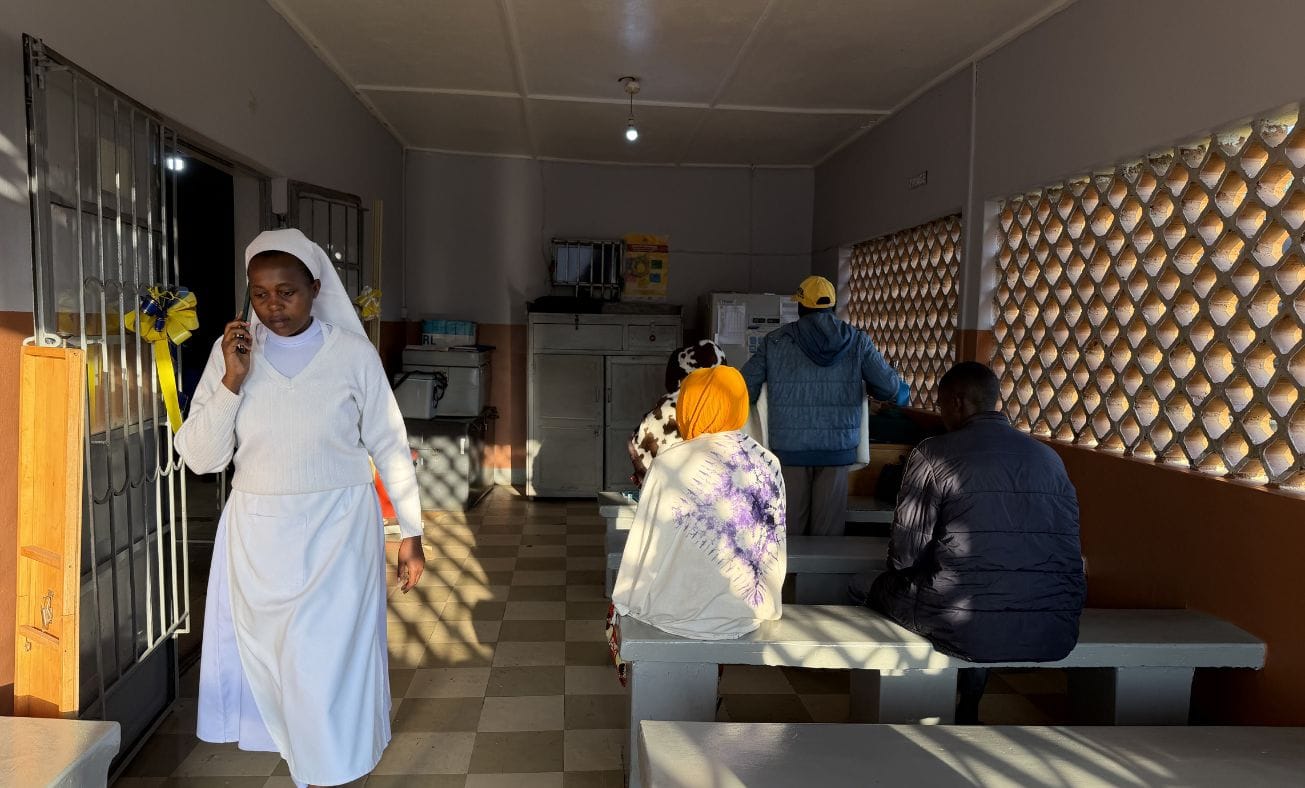
Just a few steps away, inside the hospital, patients were beginning their own journeys. For them, a journey toward care and healing.
A few days earlier, our journey began in Entebbe.
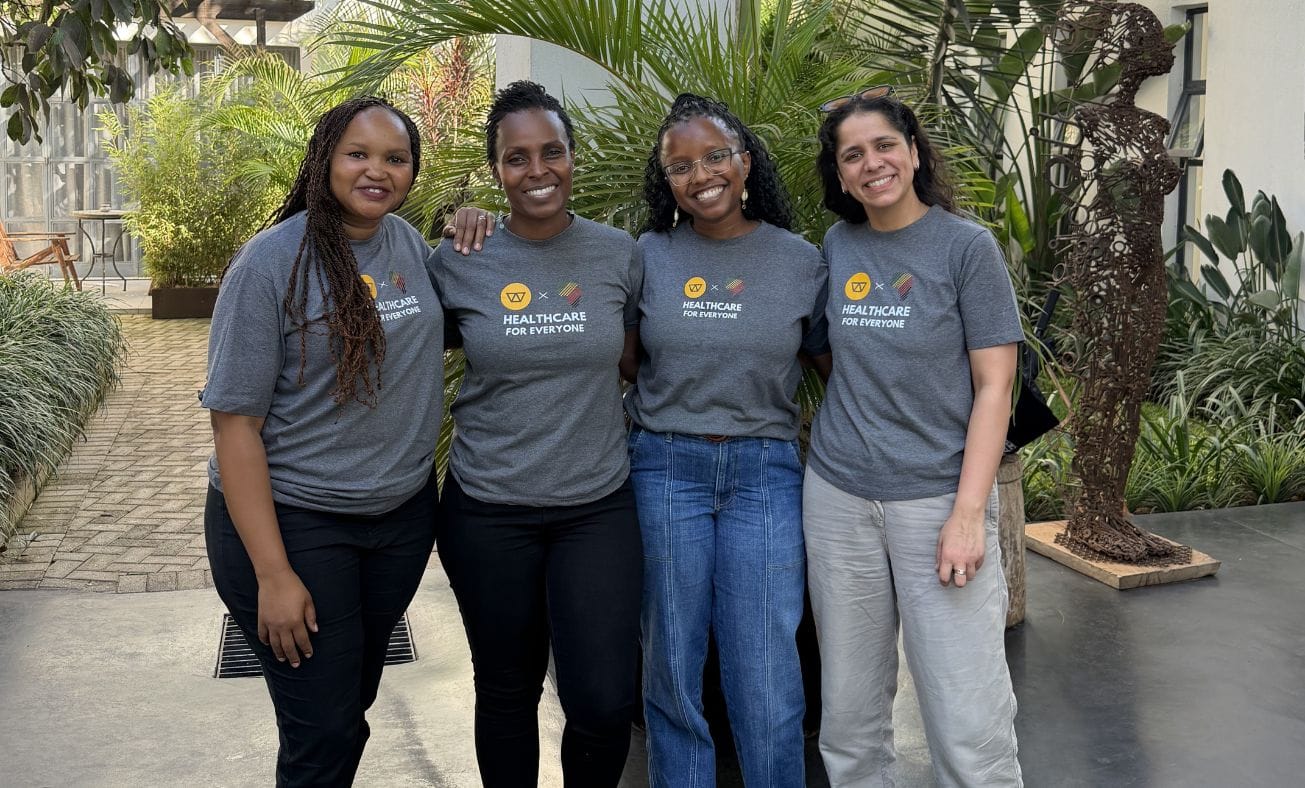
From there, we traveled more than 400 kilometers across Uganda with our partners at African Mission Healthcare (AMH). Our van moved from the dense, honking chaos of Kampala to long stretches of gravel roads that vibrated through the floorboards. We passed through "blink-and-you’ll-miss-them" trading centers, rolling tea plantations, and valleys thick with rain.

The further we traveled, the more I realized that care isn’t just what happens in the doctor’s office or the operating room. It’s measured in miles, in the grit of the infrastructure, and in the sheer amount of time it takes to reach it. It’s a massive relay race of people working behind the scenes (social workers, community health workers, nurses, drivers, guards, cleaning staff) just to make sure help is even an option.
Feeling "Whole Again"
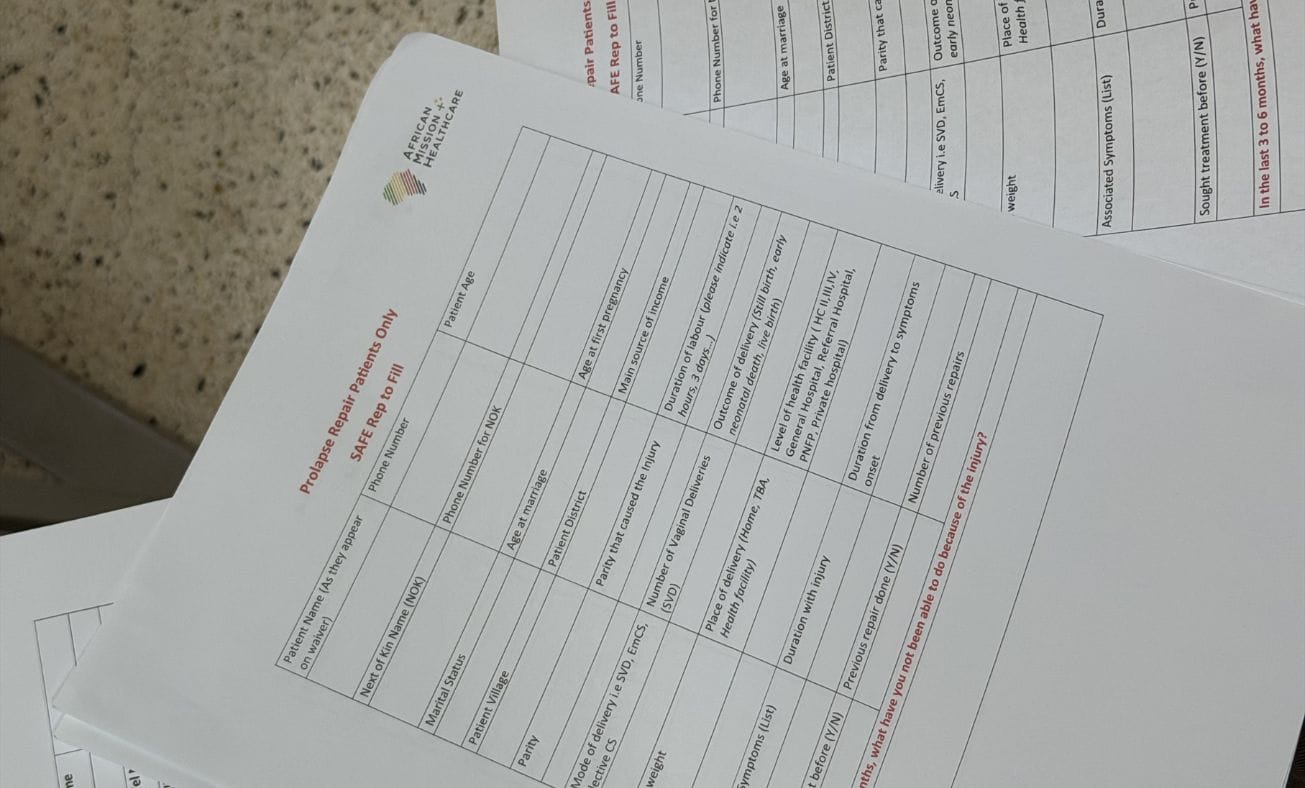
At our first stop, we joined a surgical camp at St. Francis Nsambya Hospital for women living with childbirth injuries like fistula and prolapse. These are conditions that often go untreated for years, leaving women isolated by social stigma.
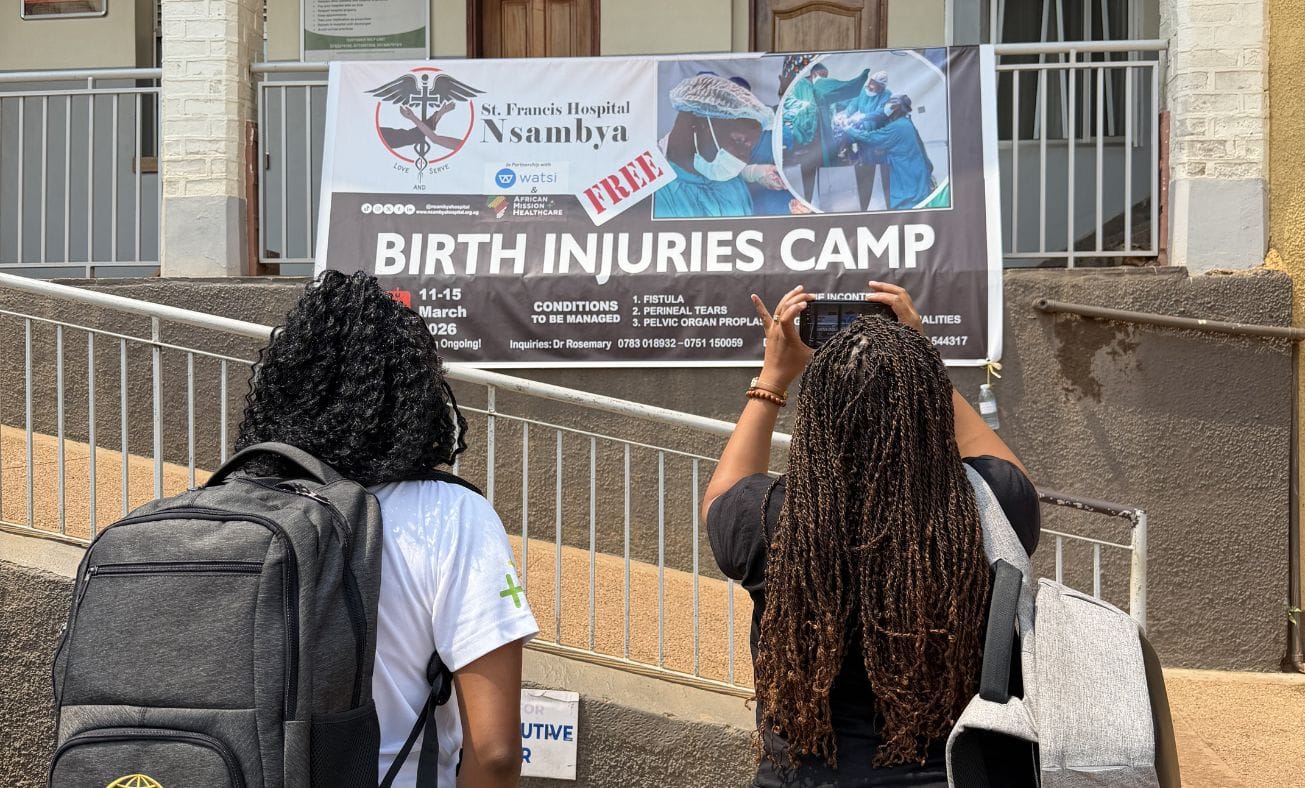
Thanks to a single Watsi donor, 32 women received life-changing surgeries during this camp. We watched the atmosphere shift in real-time. What began as heavy uncertainty gave way to relief, and eventually, to a joy so loud it filled the wards.
The women told us they finally "felt whole" again.
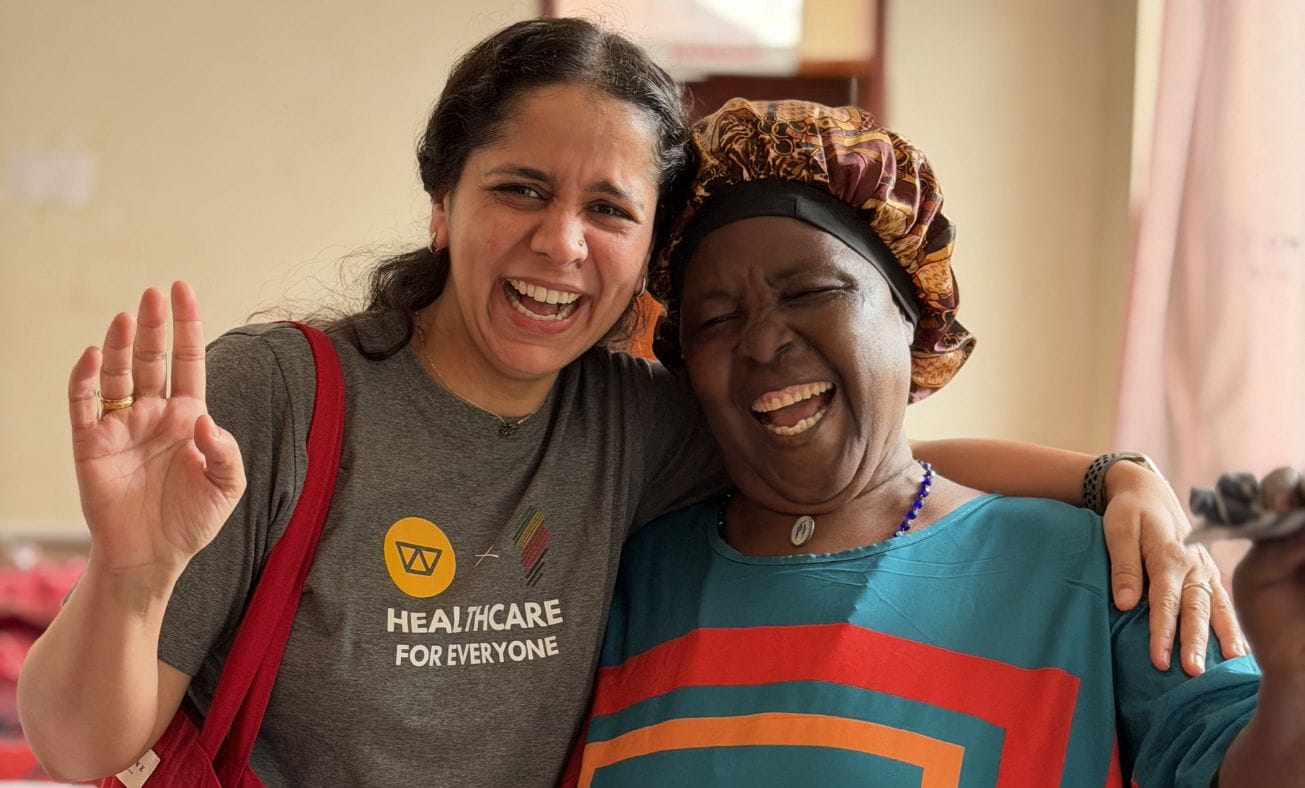
I keep thinking about Nakamya, a 70-year-old woman who had lived for years believing her condition was just her "cross to bear." Her husband sat faithfully by her side, a rare and beautiful sight in a culture where these injuries often lead to abandonment.
She never imagined treatment was possible. Until, suddenly, it was.
Growth: Mpola Mpola (meaning slowly slowly in Luganda)
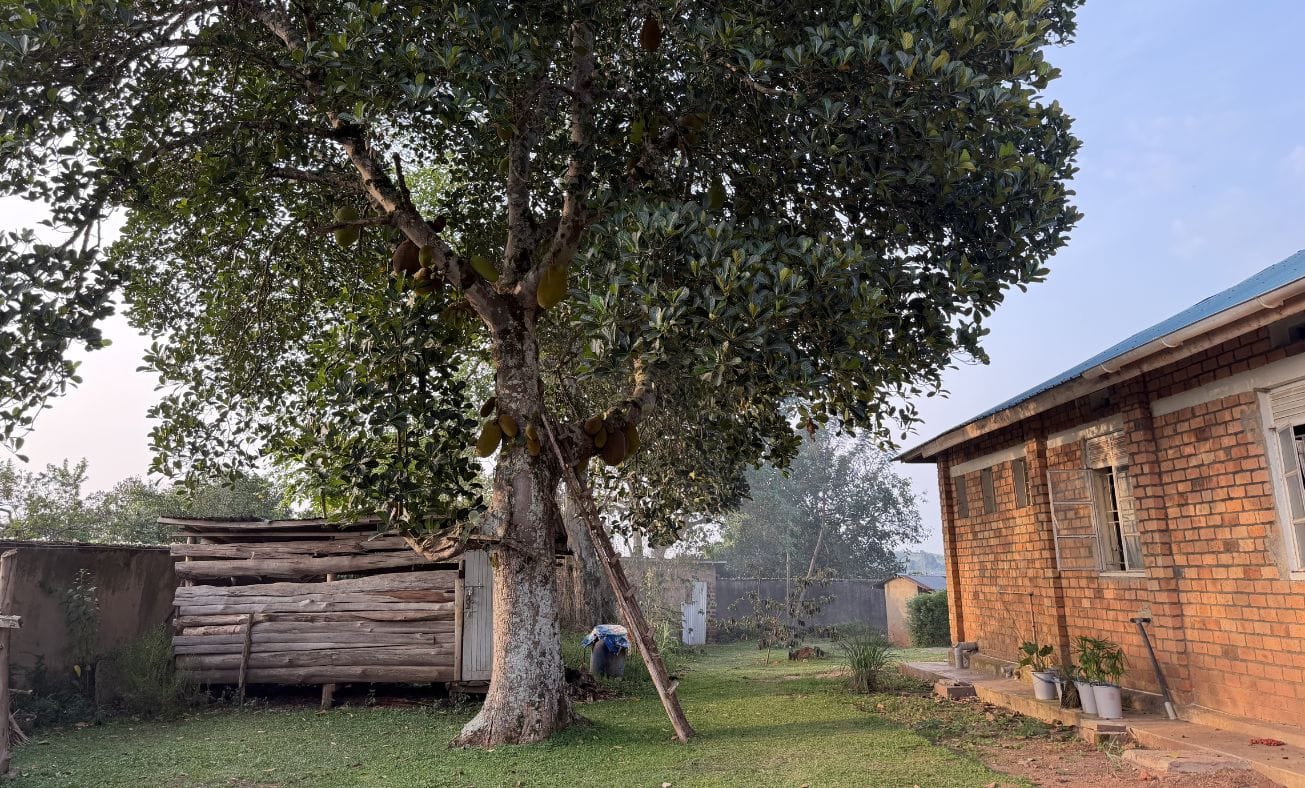
In Rwibaale, we saw where that care begins. What is now a bustling hospital started simply as a shed under a jackfruit tree where community members could get malaria and other essential meds. The nuns who ran the small clinic eventually bought the land, and piece by piece, they built.
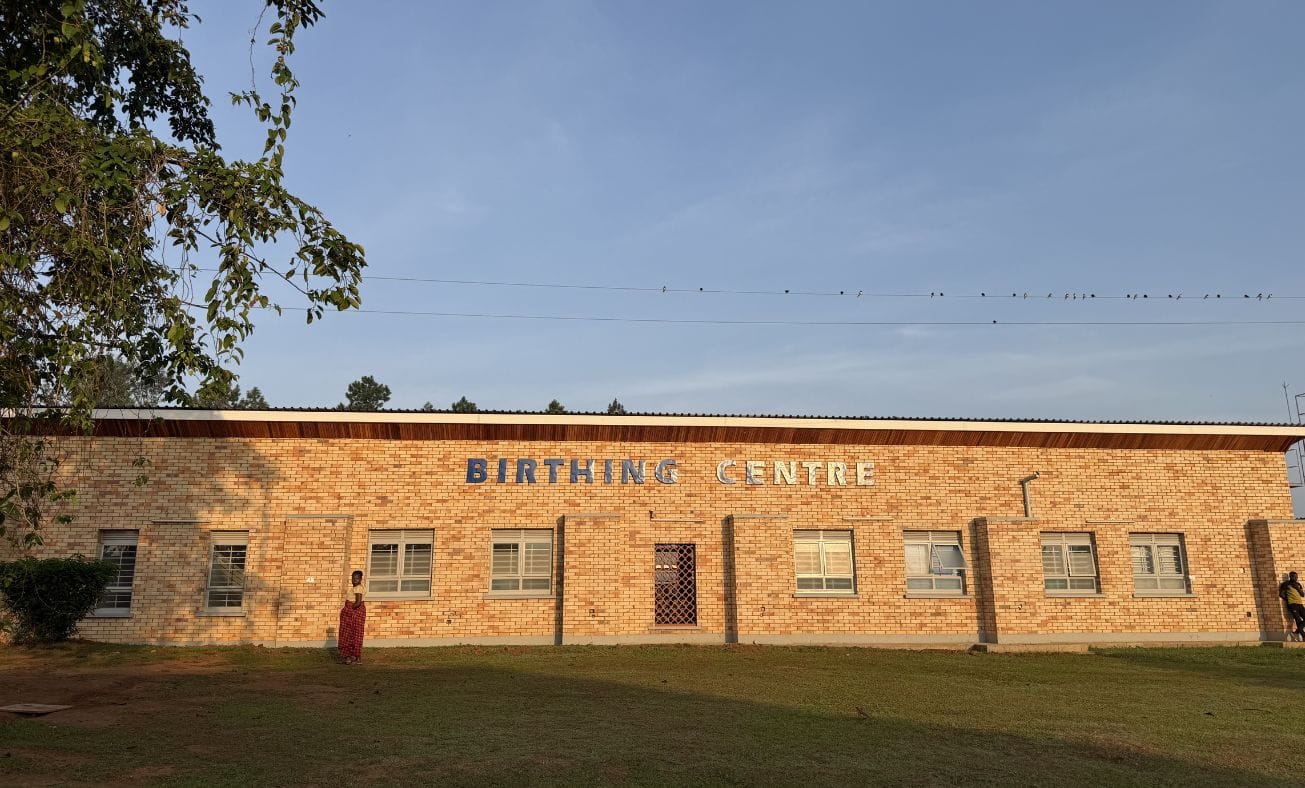
Today, this place is a brand new, state-of-the-art maternal health center. But this didn't happen overnight. It happened mpola mpola — slowly, steadily, patient by patient.
"We couldn't have done this without Watsi," the hospital administrator told us.
Over a decade of consistent, reliable support from our Universal Fund and our global community has given our local partners the confidence to build for the long haul.
Connections Across Continents
Then there are the moments I’ll hold onto forever. As we headed west, we hiked into the rural hills of Nyakibaale to visit a grandmother raising her three grandchildren. She weaves baskets to support their basic needs, earning about $3 a month.
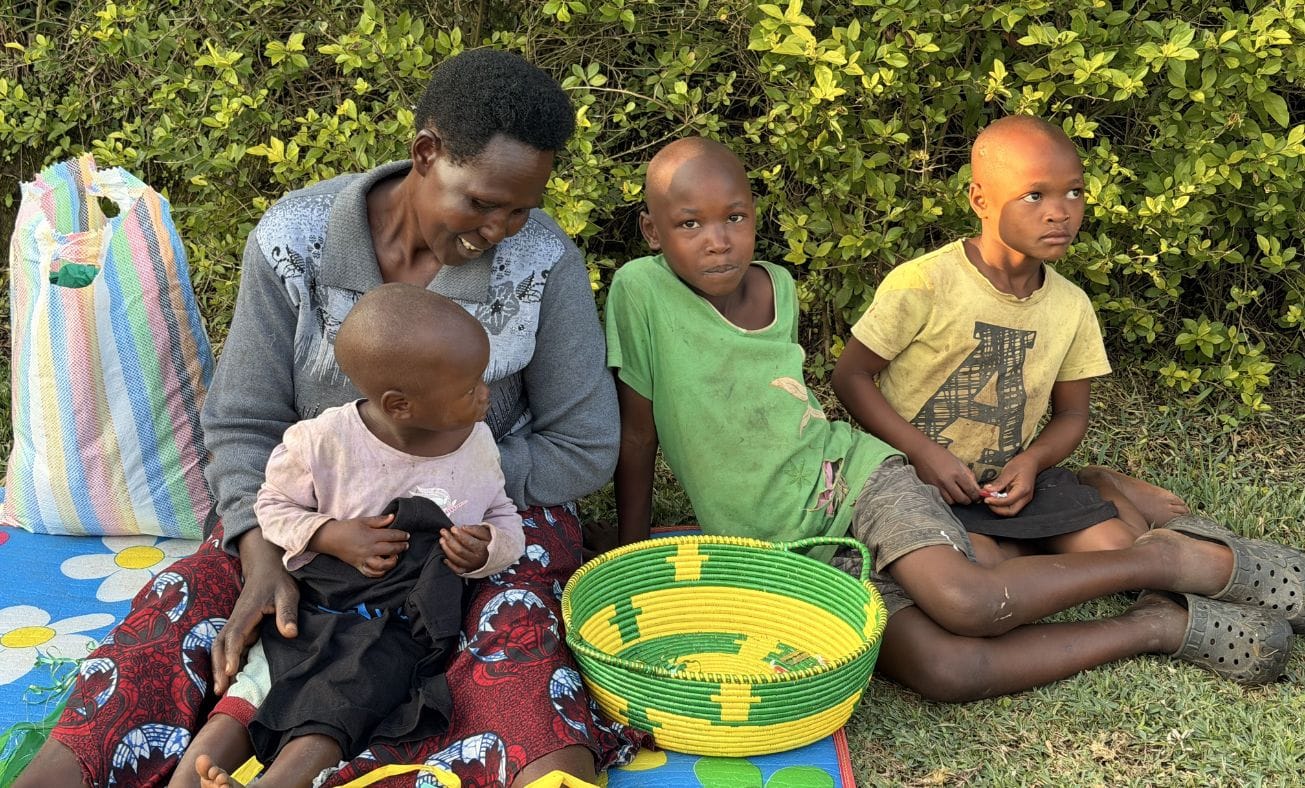
Her youngest, Louis, had received surgery through Watsi. By a beautiful stroke of fate, the donor who funded his care is also named Louis.
Two people, worlds apart, connected by a name and a moment of generosity.
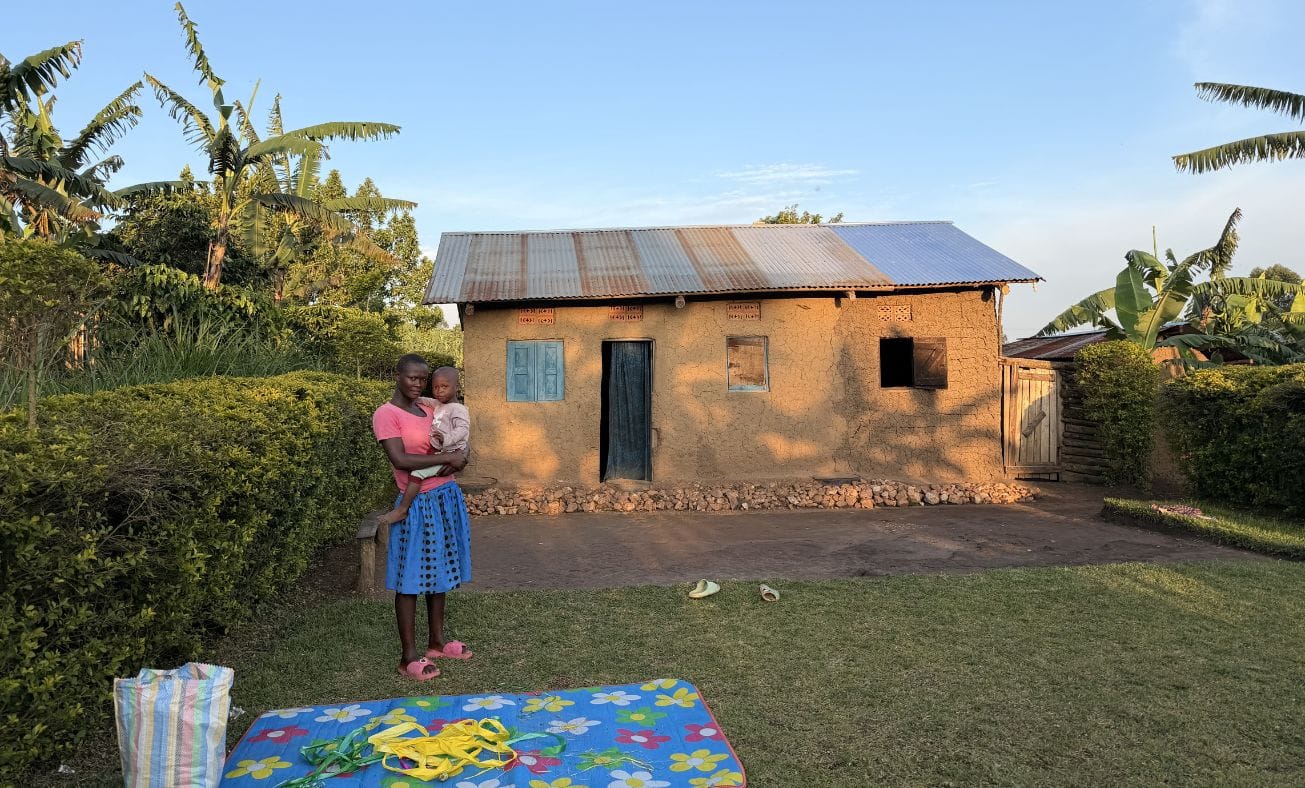
Watching little Louis stick close to his grandmother as they wove baskets on a mat in the sun, I saw the way access to care and a successful surgery allows a family to simply be a family again.
The Road Ahead
I’m writing this somewhere over the clouds, on my way home. I’m still processing the scale of the need — from the surgeons who refuse to say "no" to a patient, to our Watsi reps, who act as counselors, storytellers, social workers, and nurses all at once.
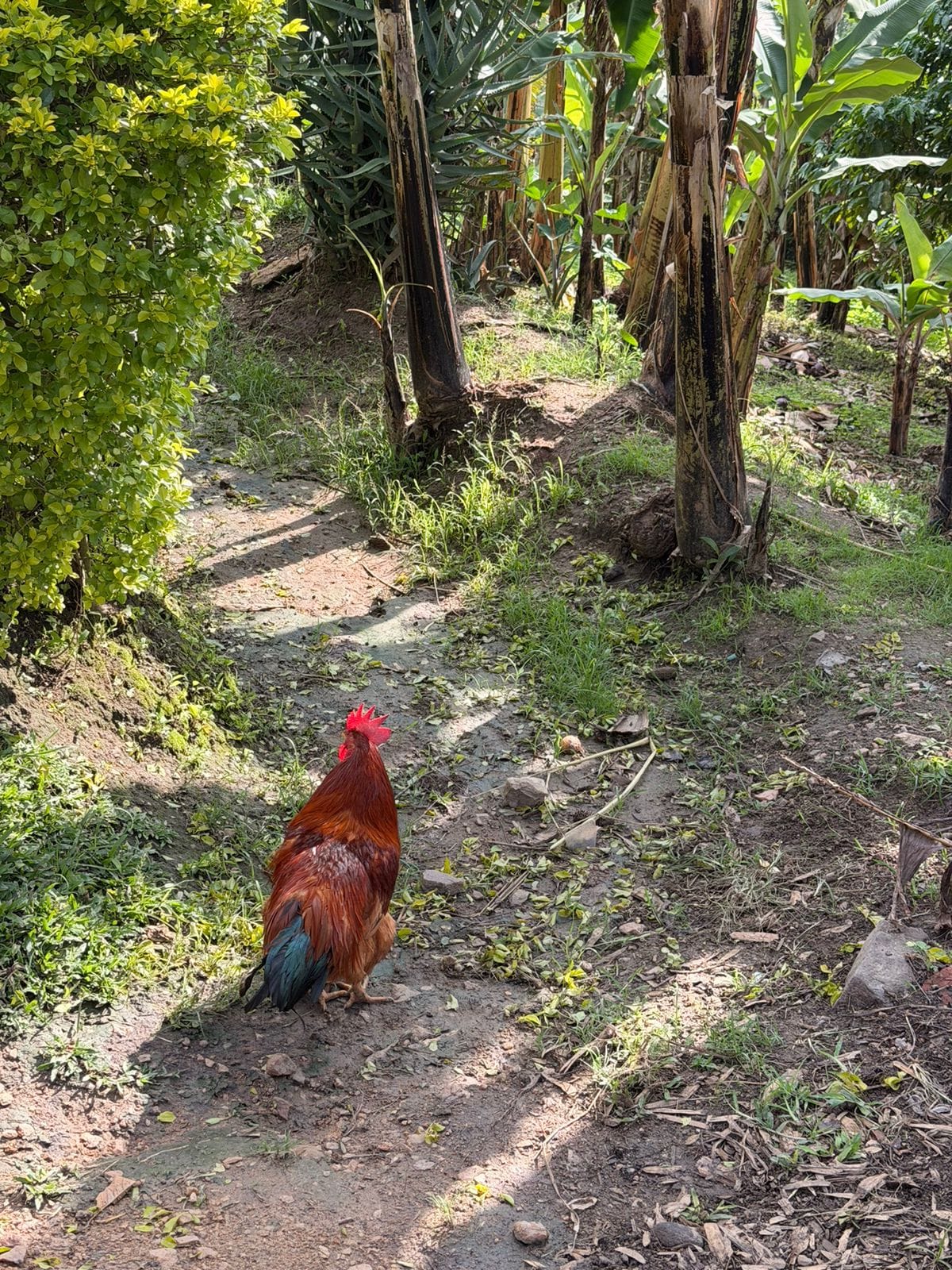
There is a lot to carry. But what stays with me is the resilience woven into the red dust of the roads and the smiles of the patients who shared their gratitude in any way they could. A warm hand or hug, jackfruit from the tree, gifts from their gardens, and eggs (or in one case of extraordinary kindness, even their chicken, which we graciously returned)
None of this happens alone. Every patient helped is another story, like Nakamya’s. Another serendipitous connection like Louis’. Joy. Hope. A step toward making care accessible, no matter how far the road. And a journey to a new opportunity and a life ahead.
Weebale muno (Thank you very much) 🇺🇬
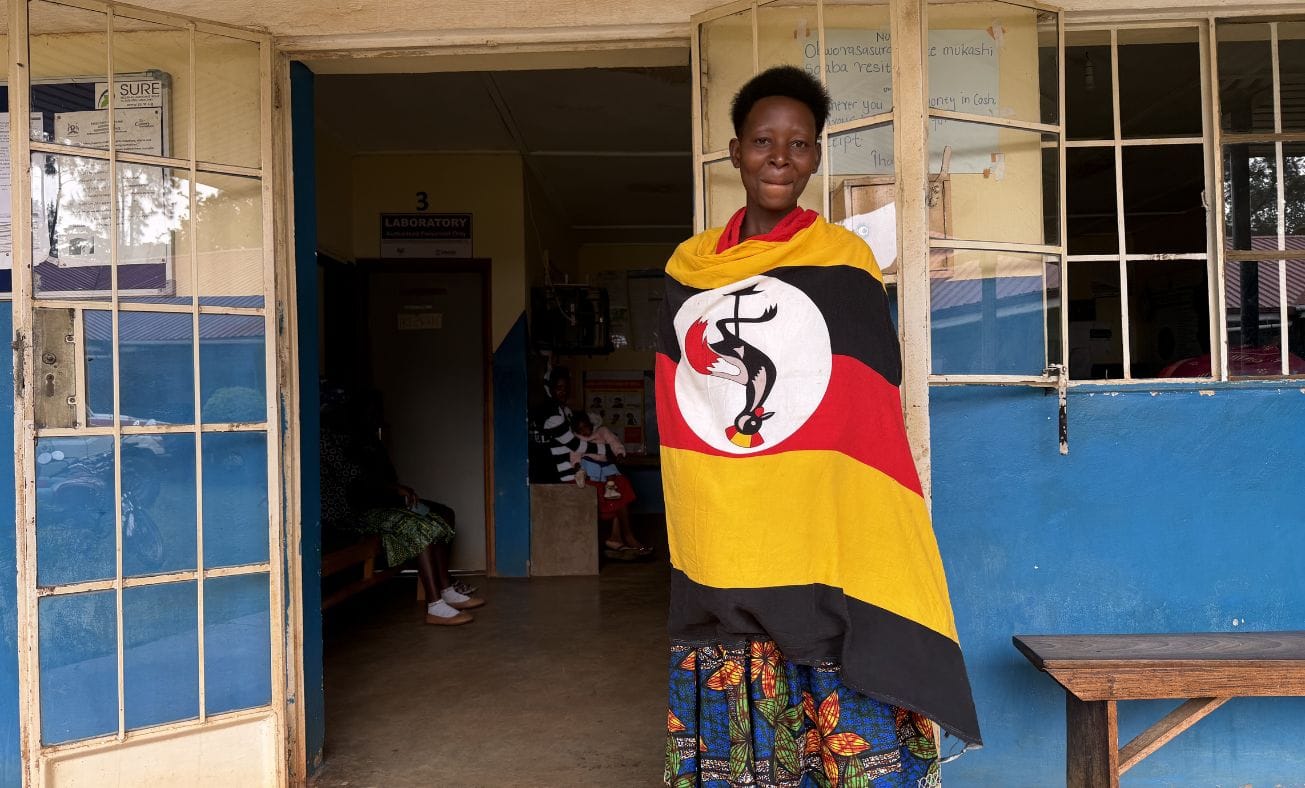
If this journey inspires you, I invite you to be part of the next one.
Sonam Singh
Storytelling, analytics, and marketing @Watsi