We've been building a new capability for our medical partners and Watsi: a way to fund the most urgent emergency surgeries. For over a decade, Watsi has directly matched donors to patients in need through transparent storytelling—publishing patient profiles, raising funds case by case, and sharing every outcome.
But some stories couldn’t wait to be told.
The critical gap in emergency surgery
Every year, millions face life-threatening conditions—obstructed labor, severe trauma, acute infections—that demand immediate surgical intervention. In the communities we serve, delays aren't just inconvenient; they can be fatal.
While our crowdfunding platform has transformed lives by connecting donors to patients in need, it wasn't equipped to handle the immediacy required for emergency surgical care.
For over a decade, every patient on Watsi was funded once their stories were published for you to read. But emergencies don’t work that way. A child arrives at the hospital unconscious, and a mother needs surgery the same night — there’s no time to kick off a funding campaign.
Our medical partners voiced this need: a way to act immediately when time is the difference between life and loss. Watsi strives always to root itself in real community needs. Their feedback was a clear call to action.
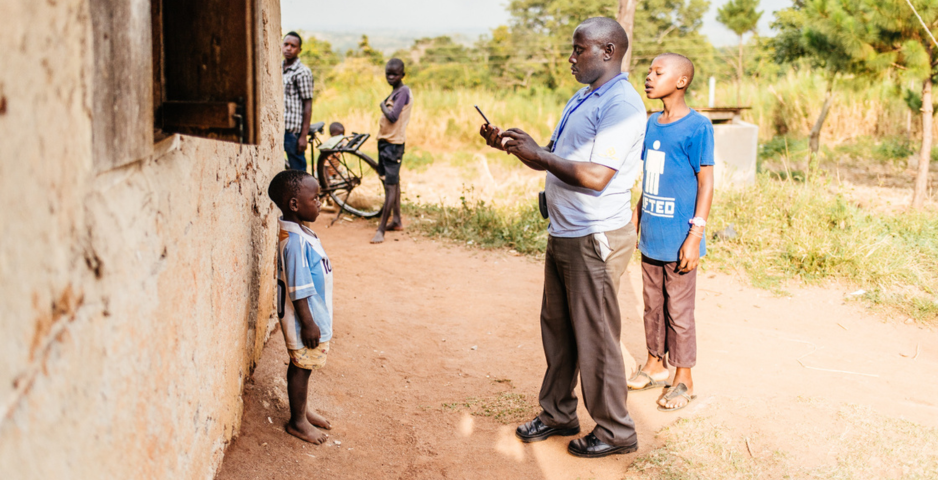
With seed funding from an anonymous foundation, we began designing a new model: Watsi's Emergency Surgery Fund (ESF) — a dedicated reserve to finance urgent cases in real time.
We built the new program iteratively:
Phase 1: Partner-Led Design
We started with what mattered most — making a new emergency system work for our medical partners so they can do what they do best: serve patients, fast. It needed to be nimble, simple, and fully integrated into the way our medical partners already support and track patients.
Our engineering team kicked off backend development on the partner-facing platform.
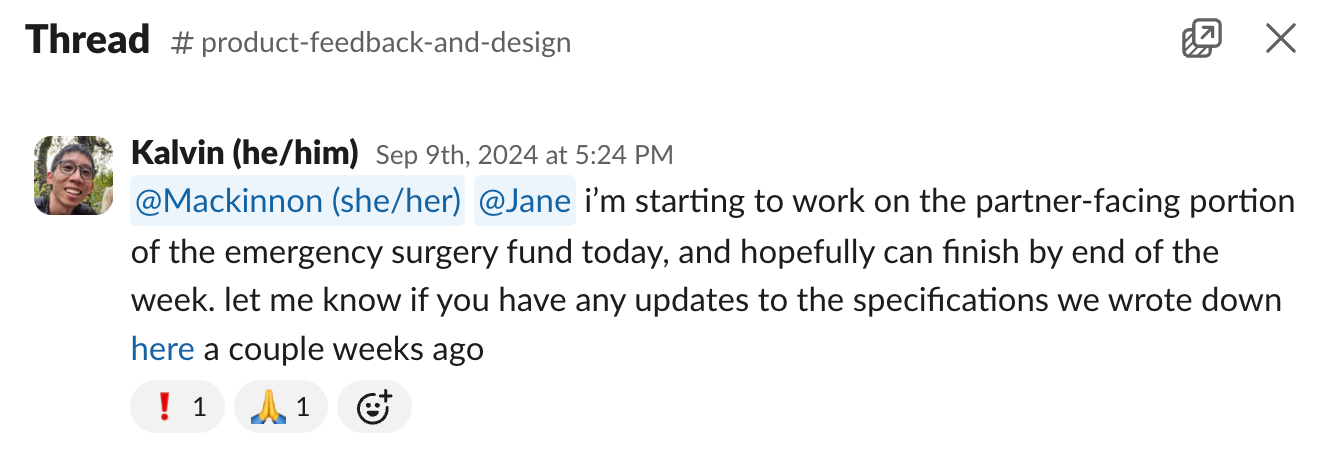
With our first phase of launch, our medical partners could now mark a patient as an Emergency Surgery case during the Watsi submission process. To preserve urgency and transparency, while preventing long backlogs, we required cases to be submitted within 72 hours of emergency treatment. At launch, our platform auto-applied privacy logic so these cases wouldn’t appear on our public site, as we determined pre-operative photos of emergency cases needed to be handled with even more care.
We also built in accountability and communication tools: automated privacy protections, internal-only case commenting, and detailed case tracking—all with minimal friction and administrative overhead.
Phase 2: Real-World Testing (AKA Learning by Doing!)
The first emergency submissions arrived within weeks. One early case—submitted just outside the three-day window—pushed our system's guardrails. We patched a short-term fix, but more importantly, it surfaced a key product question: Was our window too rigid?
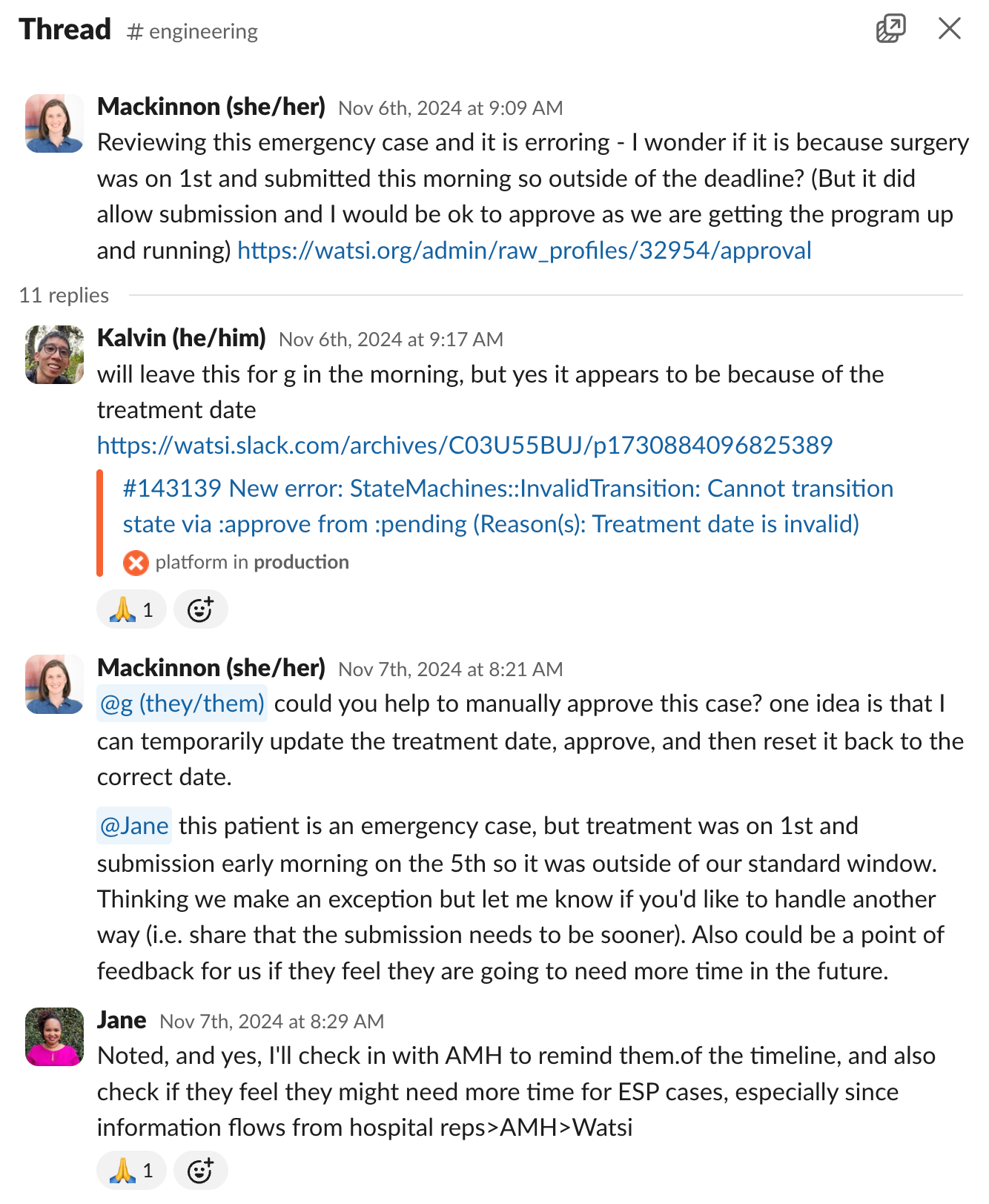
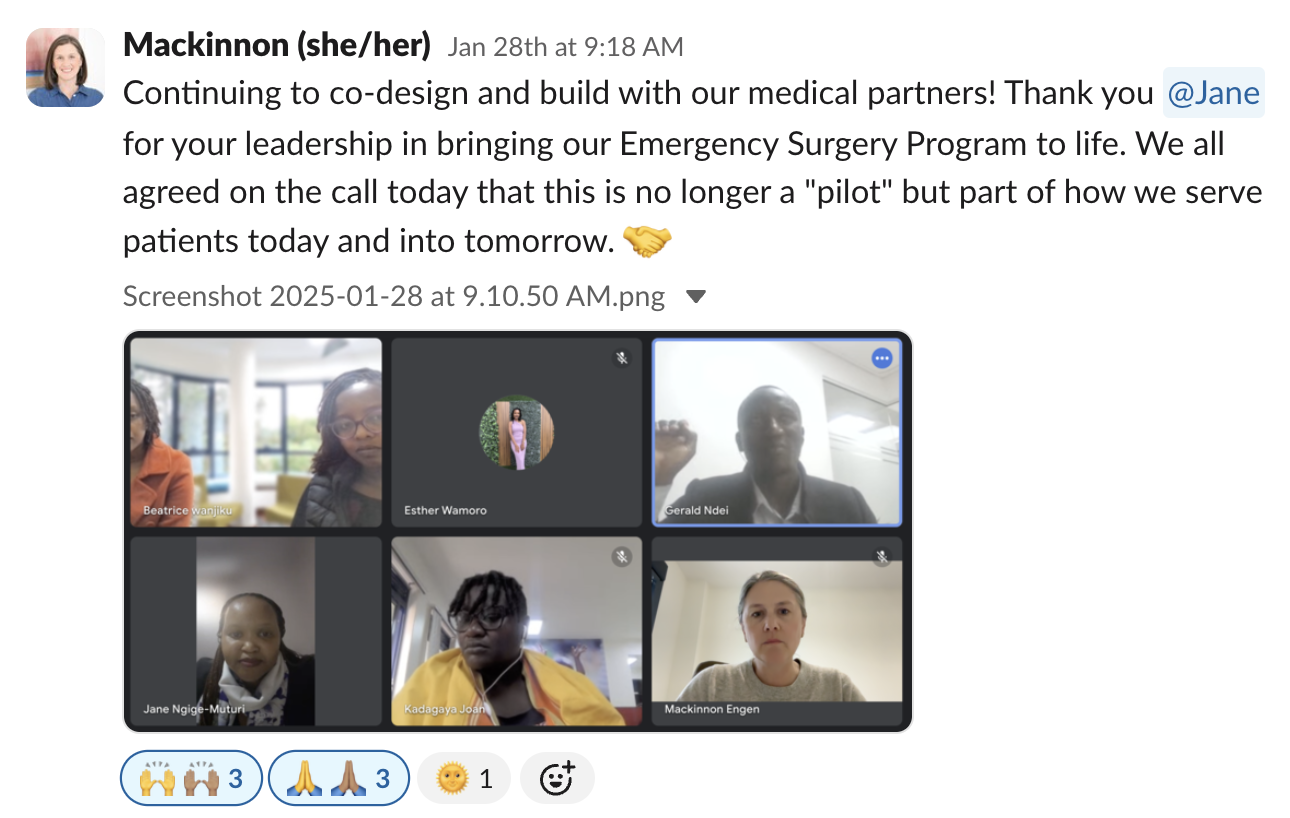
On-the-ground feedback from our Program Advisor in Nairobi and our partners helped us tune the experience in real time. These loops weren’t just QA—they were co-design. The system wasn’t just built for partners; it was shaped with them.
Phase 3: Privacy, Photos, and UX
The tragic reality of emergency cases is that they often involve patients in distress or unconscious. Partners told us they needed to upload photos for audit purposes and clinical review, but often didn’t want these images shared externally to protect the dignity and privacy of the patients.
We also streamlined UX: expired draft patient profiles were not submitted to auto-delete, emergency funding balances are visually tracked in our platform for medical partners, and new submission nudges were added inside dashboards to prompt timely action and reporting.
Phase 4: Donor-Facing Experience
In the first phase, the donor side of this program remained invisible, and that was intentional. We wanted to build operational clarity with partners before launching a new donor experience.
Behind the scenes, we explored several models:
- Should ESF donations come from a new fund or be supported through our existing recurring giving program, the Universal Fund?
- What happens if a donor gives on a day when their gift supports an emergency case, but there’s no public profile to show?
- Could we create a new fund page like our COVID-19 Emergency response campaign, blending urgency and reporting constraints?
Donors told us they wanted to help before stories were told. Some even asked to support emergency surgeries automatically.
So we're building it. 🏗️
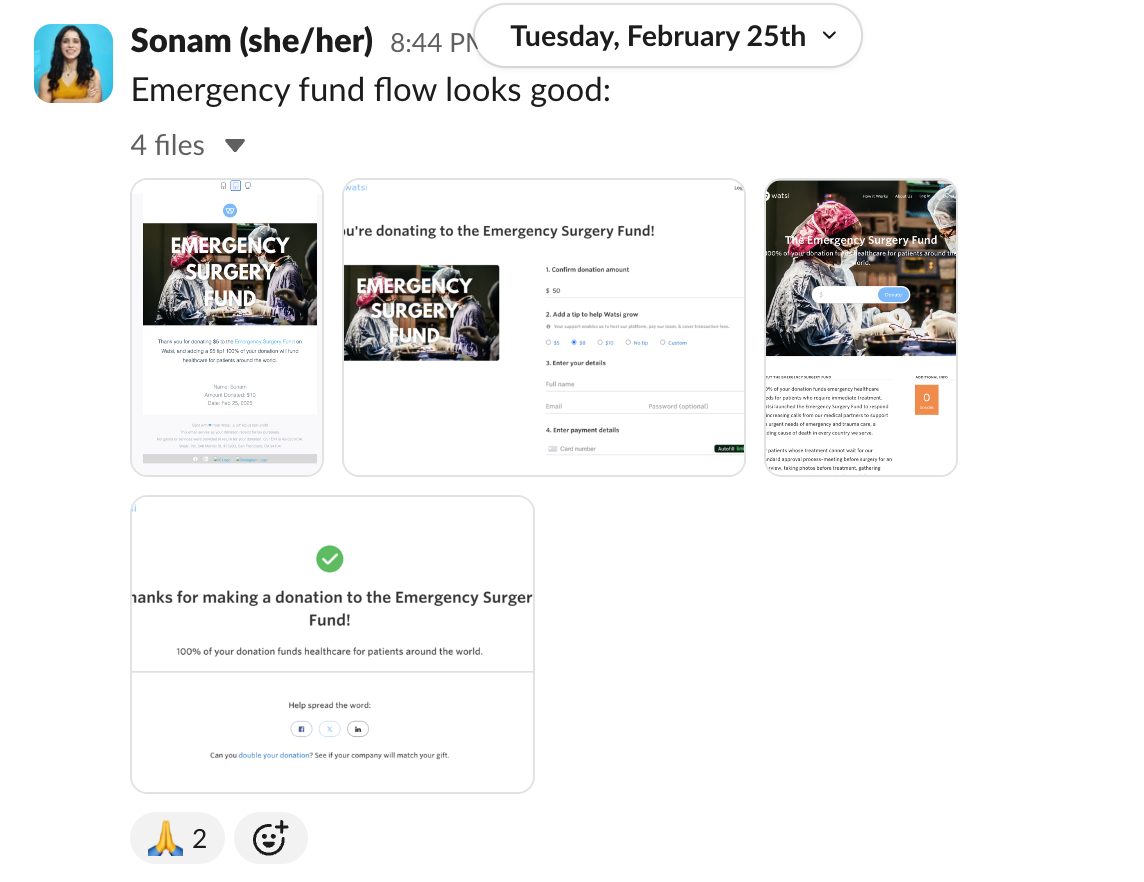
In early 2025, we launched the first Emergency Surgery Fund landing page, blending the urgency of this new model with our commitment to transparency. Even if a patient's story can’t be shared in full, donors see how their gifts are used through aggregate reporting, anonymized case snapshots, and frontline storytelling that honors privacy and transparency.
Real Impact, Real Stories
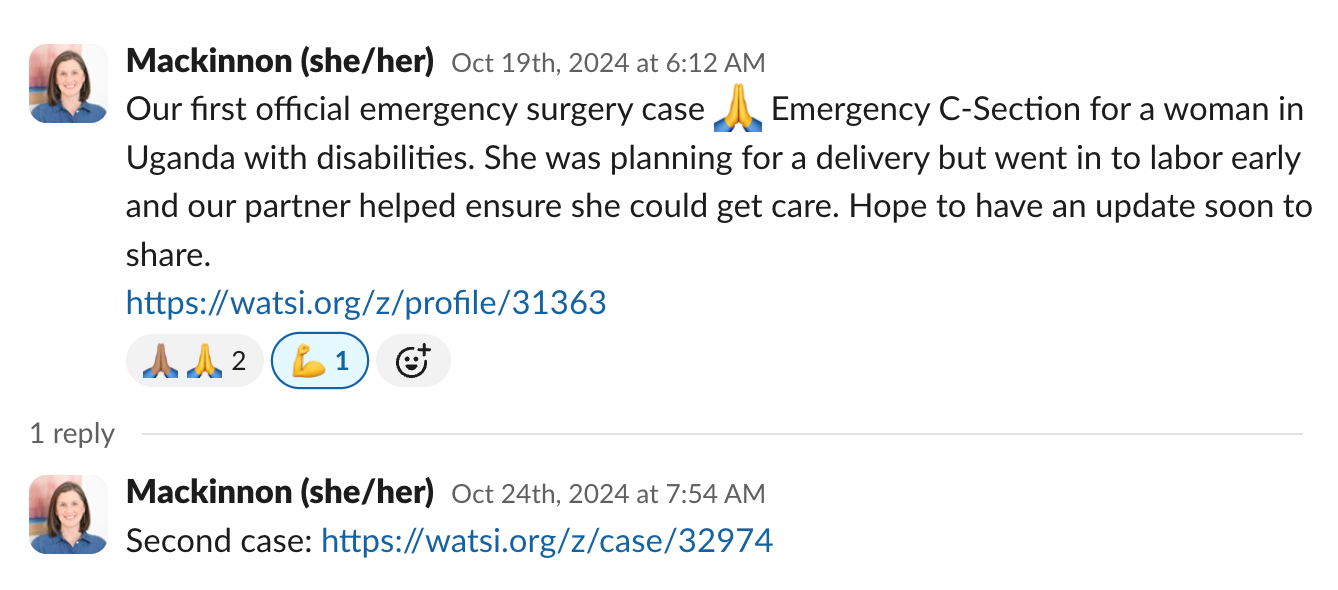
In Uganda, a mother facing obstructed labor received an emergency C-section funded by ESF, saving both her life and her baby’s.
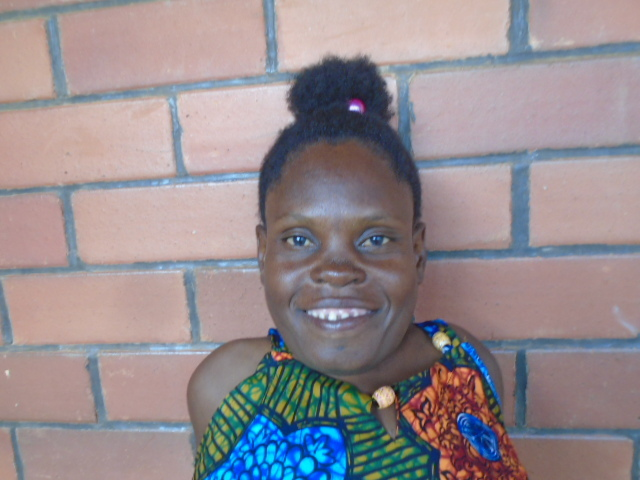
In Uganda, Jordan arrived at the hospital in excruciating pain from a burst abdomen. He required an emergency abdominal surgery—life-saving treatment that couldn’t wait. Thanks to the Emergency Surgery Fund, doctors were able to act immediately.
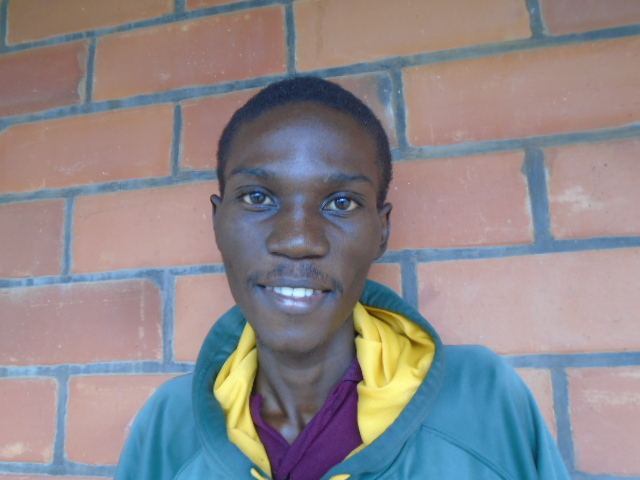
His operation was successful, and Jordan was discharged home with an overwhelming sense of relief and gratitude. For him, this wasn’t just a medical procedure but a lifeline.
“I thank God who has enabled me to have a successful surgery,” Jordan told us. “And in a special way, I thank the donor program for supporting me in clearing the hospital bills. May the Almighty God reward you abundantly. After recovery, I will continue practicing farming with my mother.”
His story is a reminder that emergency care not only saves lives, but it also helps people return to the lives they love.
Each of these lives changed because someone like you stepped up to help, even when the story couldn’t wait.
What We’re Seeing So Far
Since launching the Emergency Surgery Fund, we’ve supported 35+ emergency surgeries across Uganda, Kenya, and Burma, with Uganda leading early demand as our first launch country.
Thanks to early donor support, we've been able to meet urgent needs across a spectrum of life-threatening conditions. But one trend stands out:
Emergency maternal care—especially C-sections and surgeries for ruptured ectopic pregnancies—has emerged as the most frequent and time-critical need.
These are moments where minutes matter for both mothers and their babies.
We’ve also responded to:
- Gastrointestinal emergencies, like intestinal obstruction and intussusception
- Severe orthopedic injuries, including open fractures from motorcycle accidents
- Life-threatening infections, such as septic abscesses, require immediate surgery
Despite the complexity of care, the average cost per emergency surgery has remained around $351, a small amount for life-saving impact.
This is just the beginning. Emergencies are unpredictable, but with your continued support, our response won’t be. Together, we're ensuring that no patient is left behind just because their story couldn’t wait to be told.
Emergencies are unpredictable, but our response shouldn't be.
The Watsi Team
Everyone deserves healthcare.